
Timber!
Overview
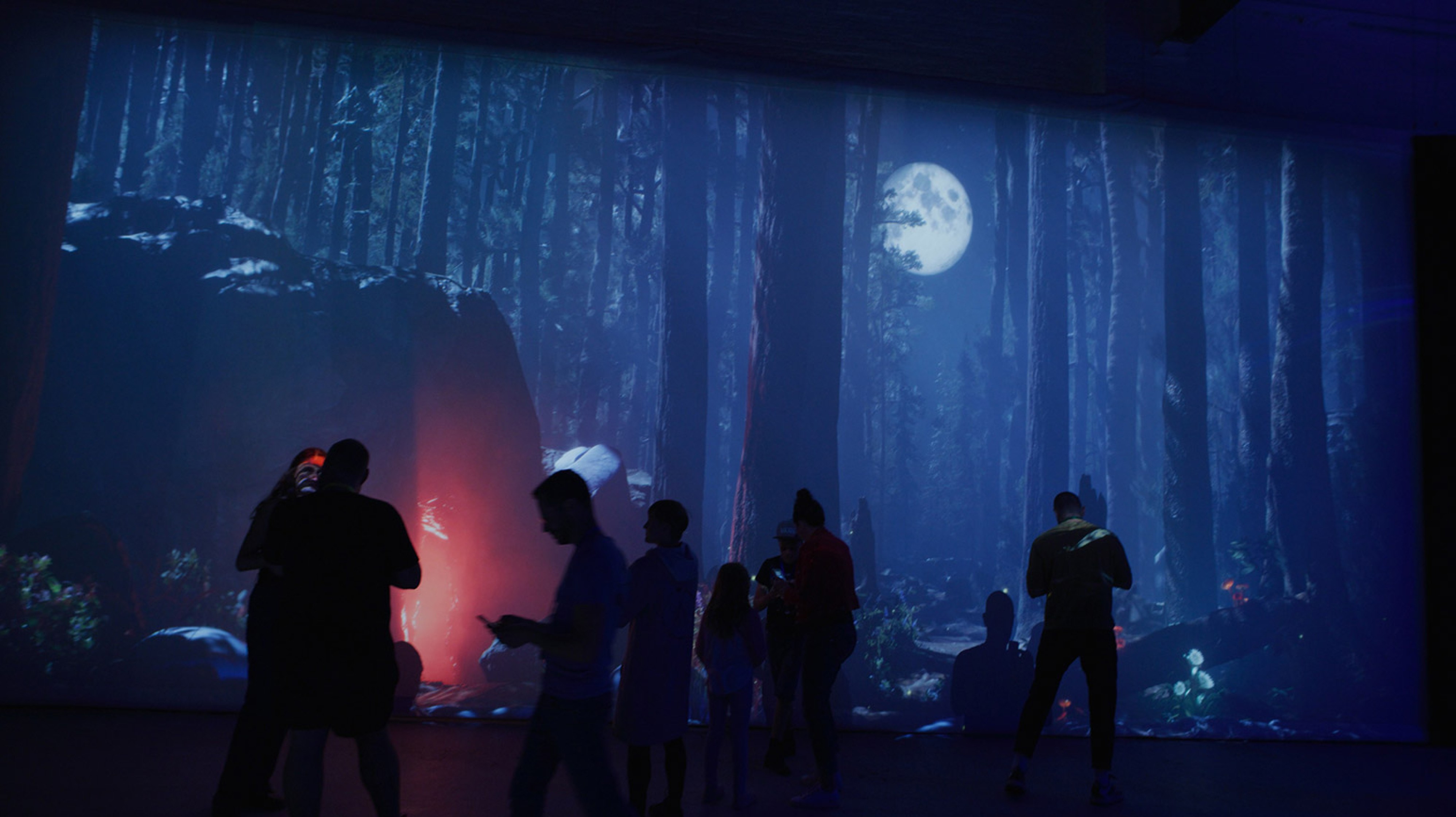
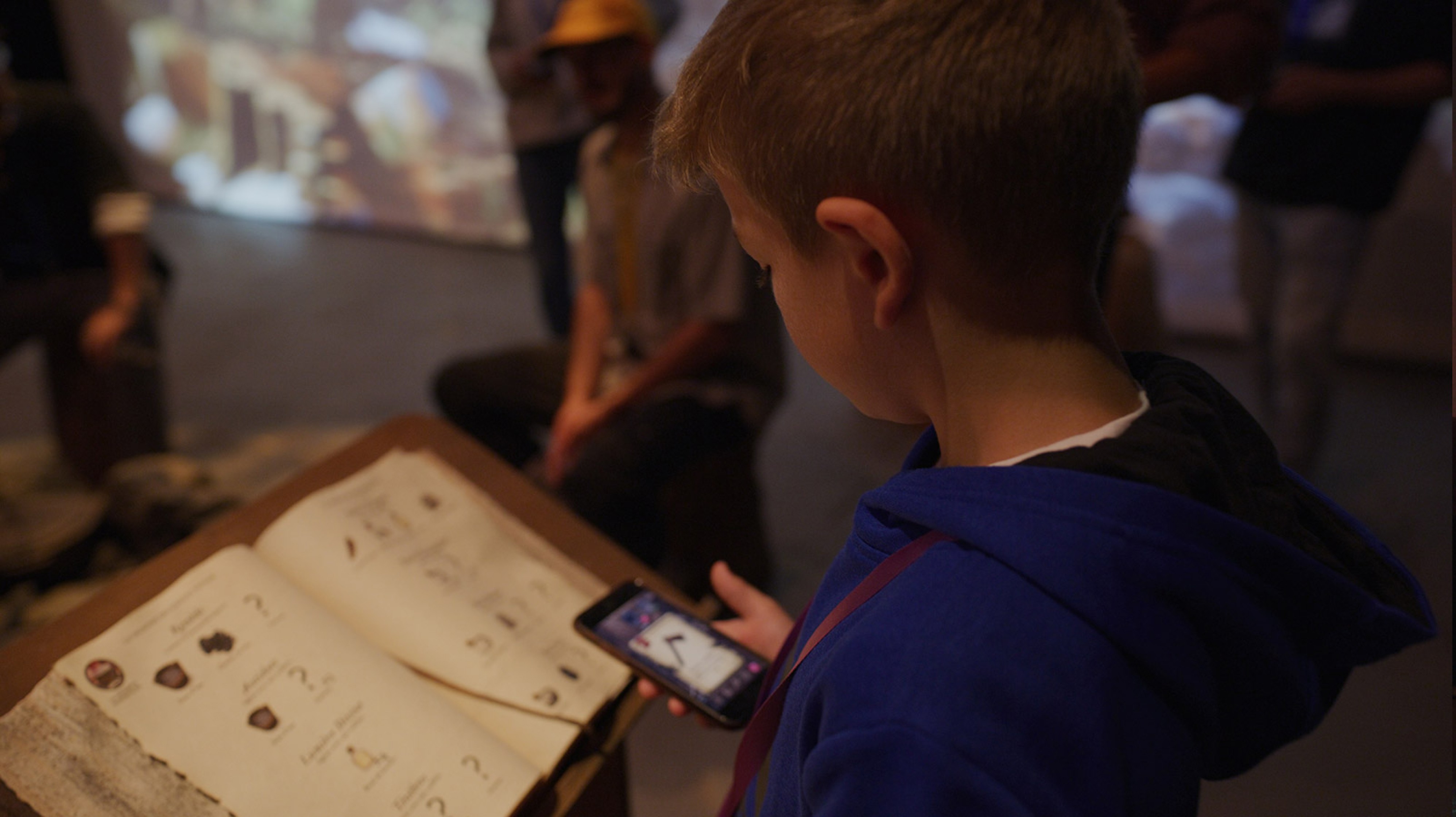
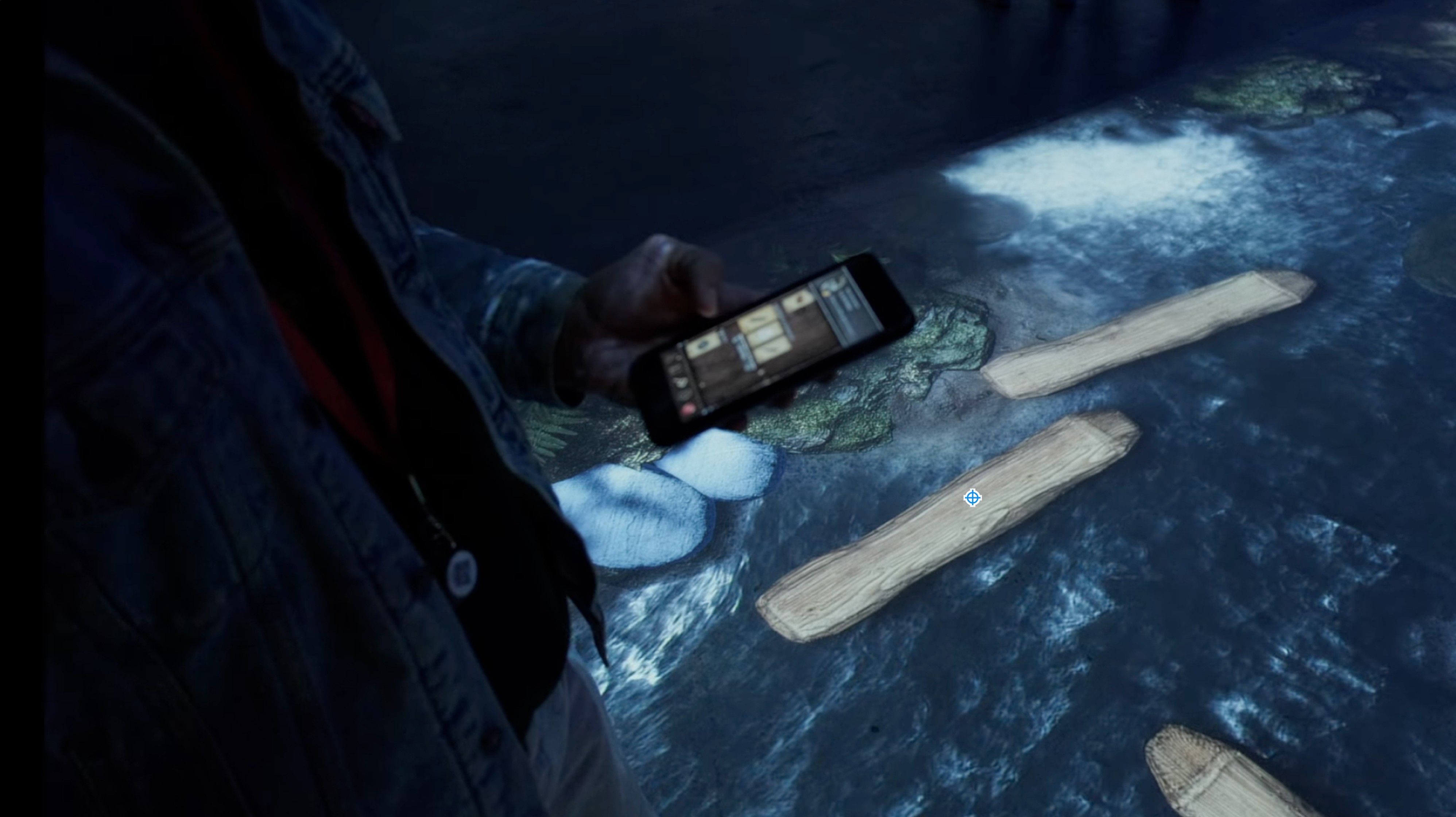
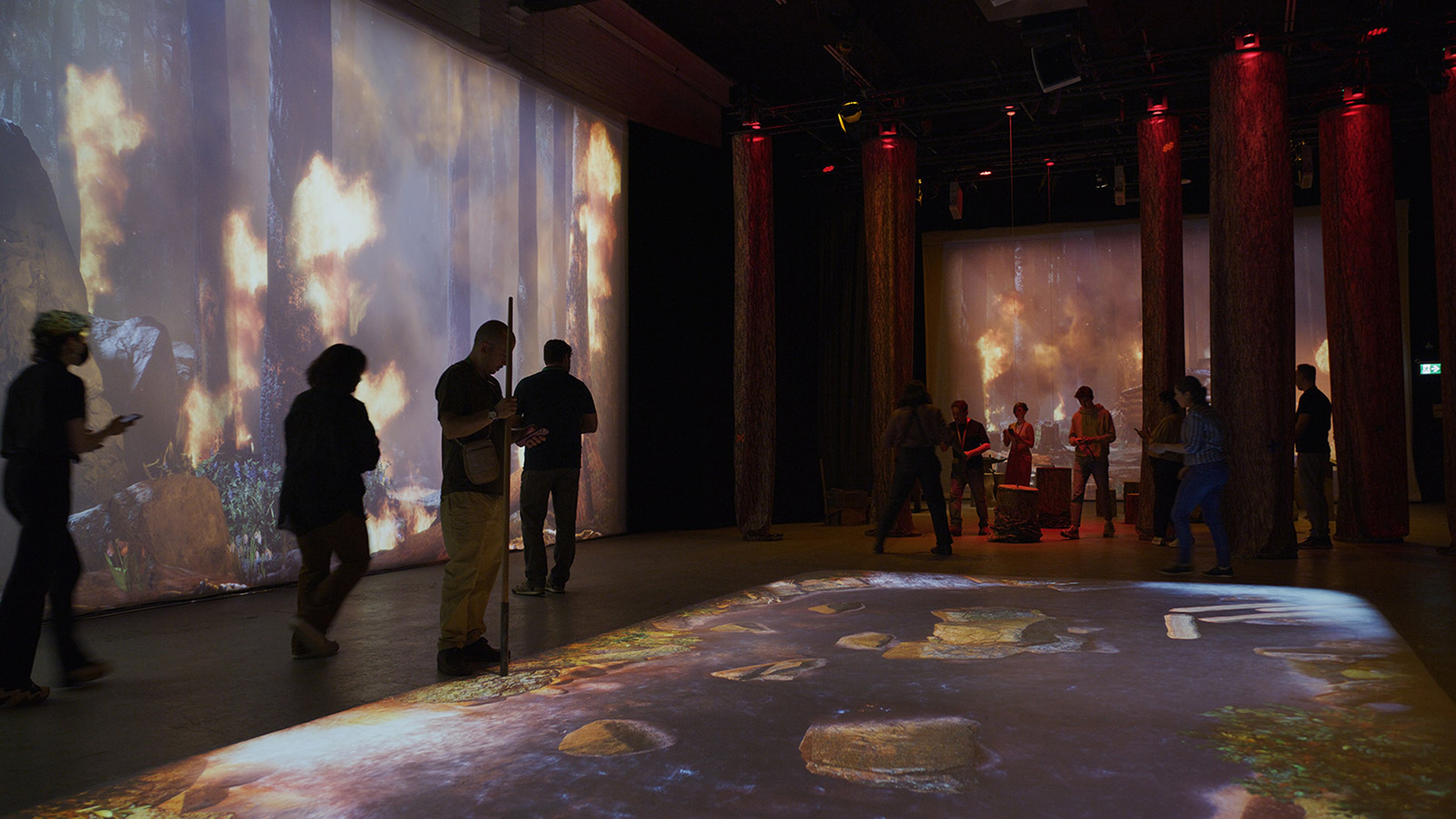
Timber! The Forgotten Legends is an immersive multimedia performance where up to 400 players explore a fantastical world together through a mobile multiplayer app. Giant projections and live scenography bring the universe to life while players influence the story in real time. I joined as UX designer, contributing to UI work as well, to clarify the interaction model so participants, many of them discovering AR for the first time, could engage fluidly without breaking the theatrical immersion.
Challenge Context
The experience combined theatre, mobile AR and real time multiplayer gameplay. Physical installations and object based interactions were already fixed, which limited how much the UX could evolve. Because Timber! is a one time experience with a play window of only one hour, the onboarding had to be extremely fast and intuitive. Players needed to understand movement, scanning and quest progression within seconds, often while standing in a busy theatrical space. The core challenge was making the app supportive and immediate without disrupting the narrative flow or the visual spectacle surrounding them.
Design Approach
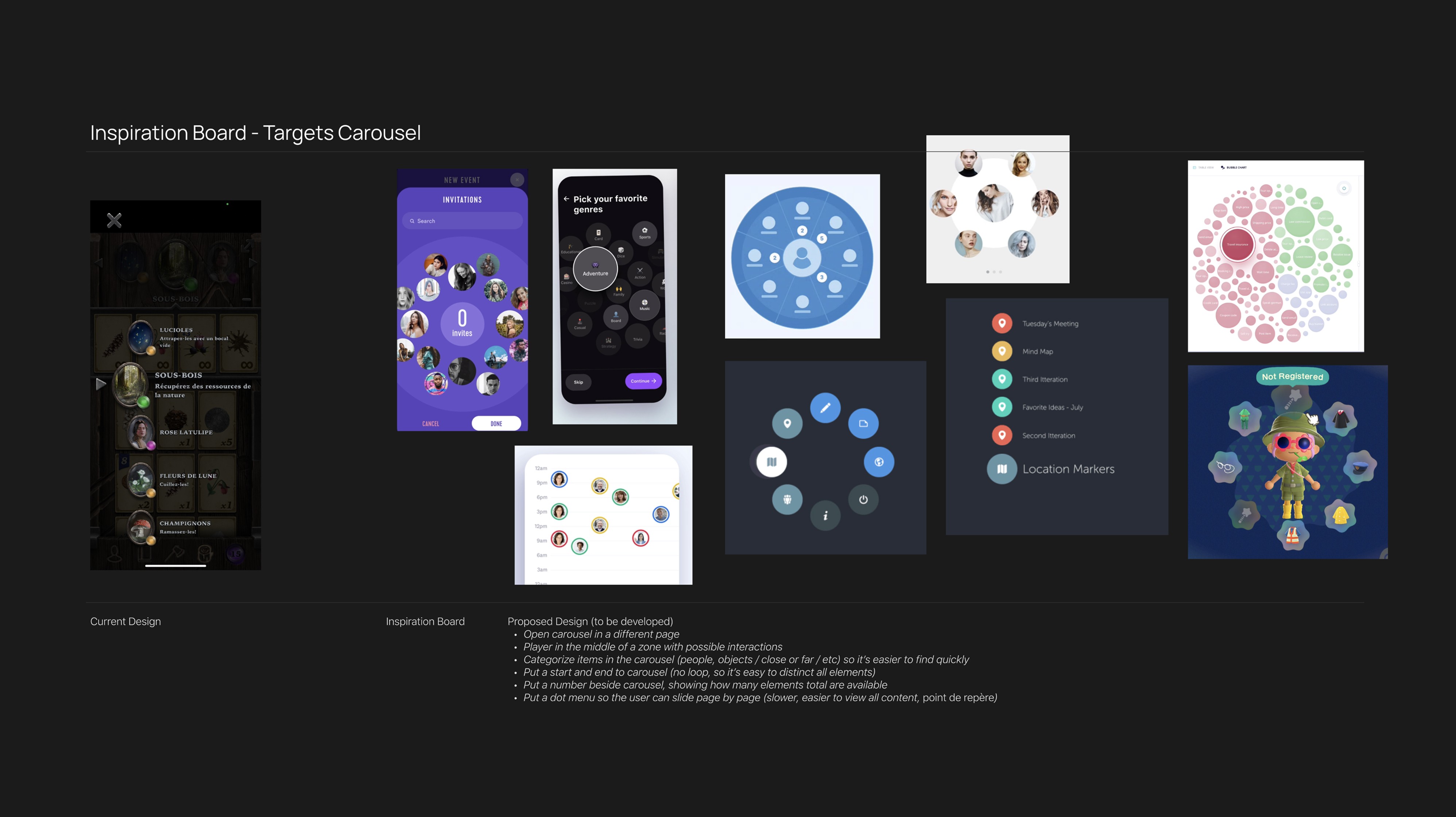
I began with a thorough UX audit of the existing app, reviewing how players moved, scanned objects, understood quests and navigated their inventory during the one hour experience. This helped reveal friction points in movement tutorials, scanning gestures, quest tracking and inventory use. Building on these insights, I refined the interaction model by clarifying iconography, adding carousels for dense content and simplifying notifications so guidance remained subtle. Every decision aimed to keep the interface intuitive, allowing players to stay focused on the environment and live action around them.
Deliverables
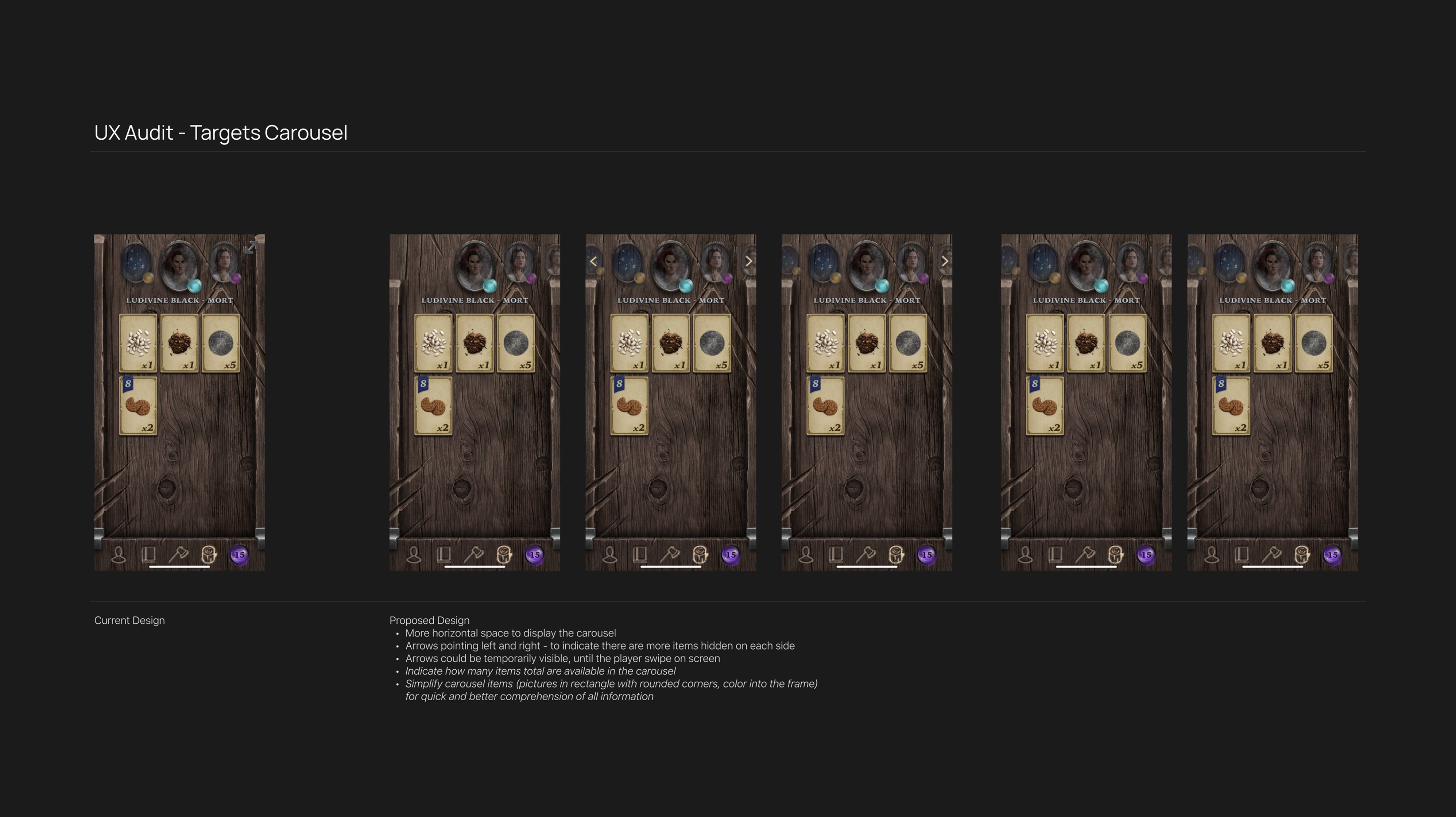
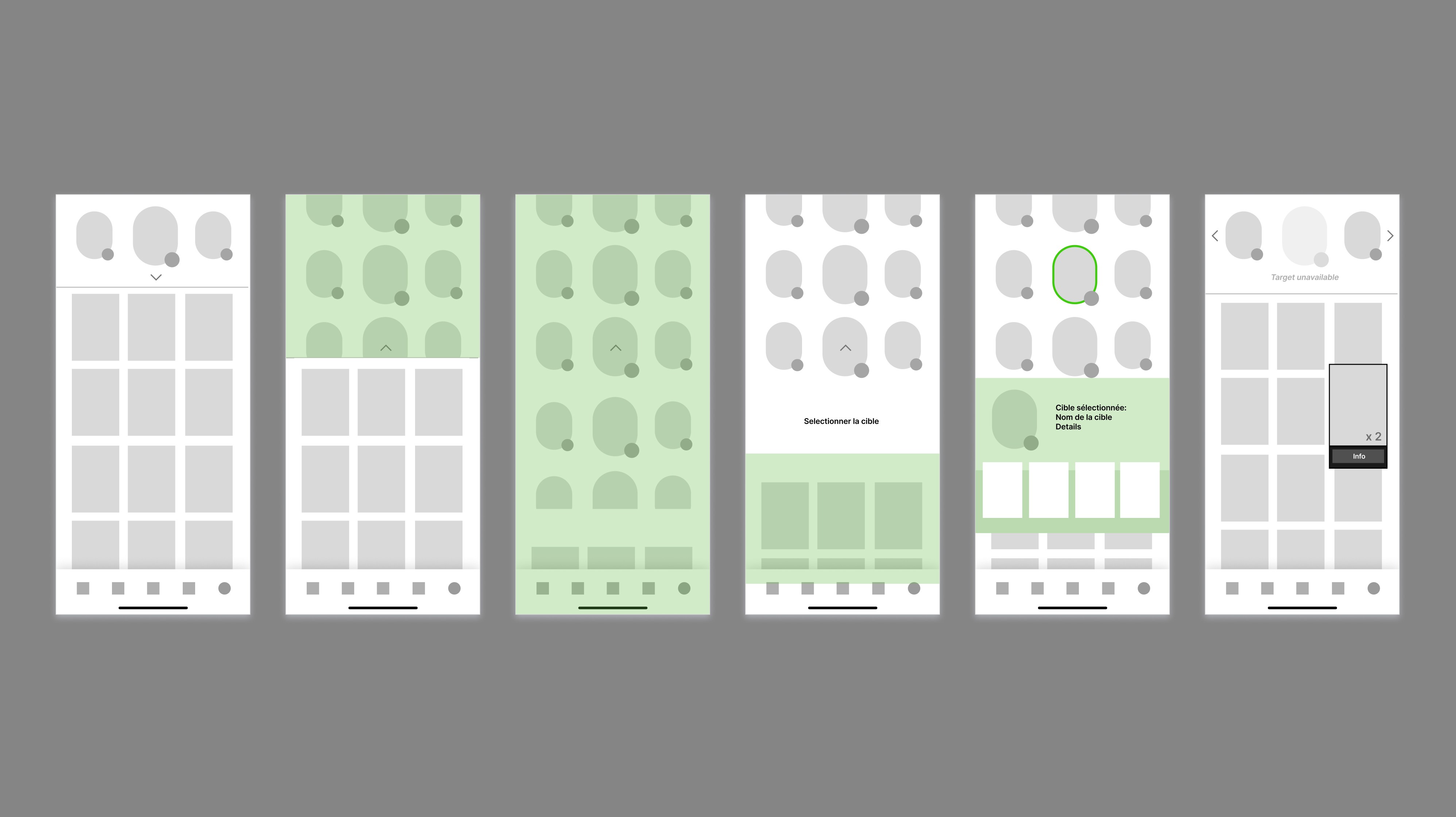
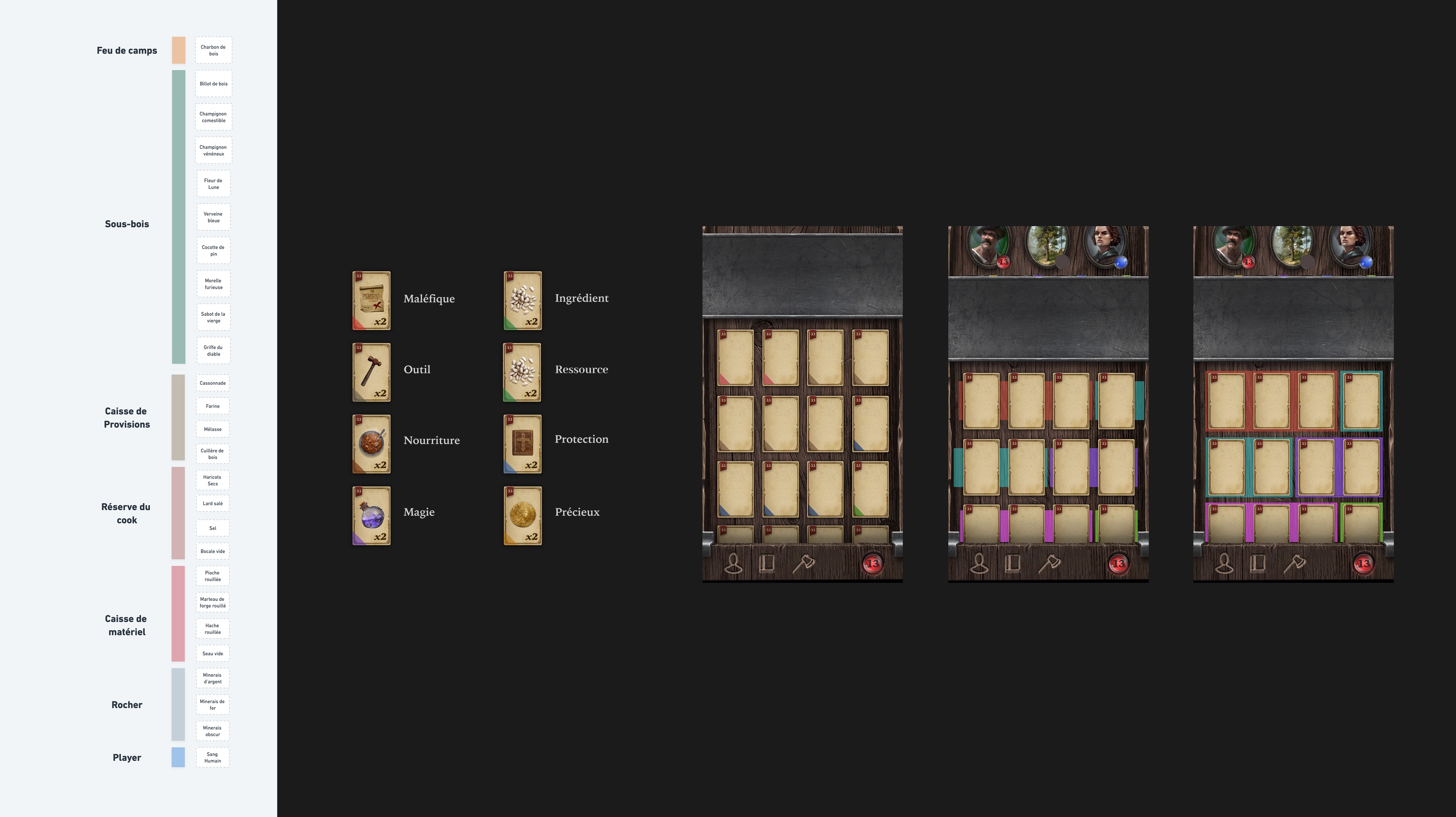
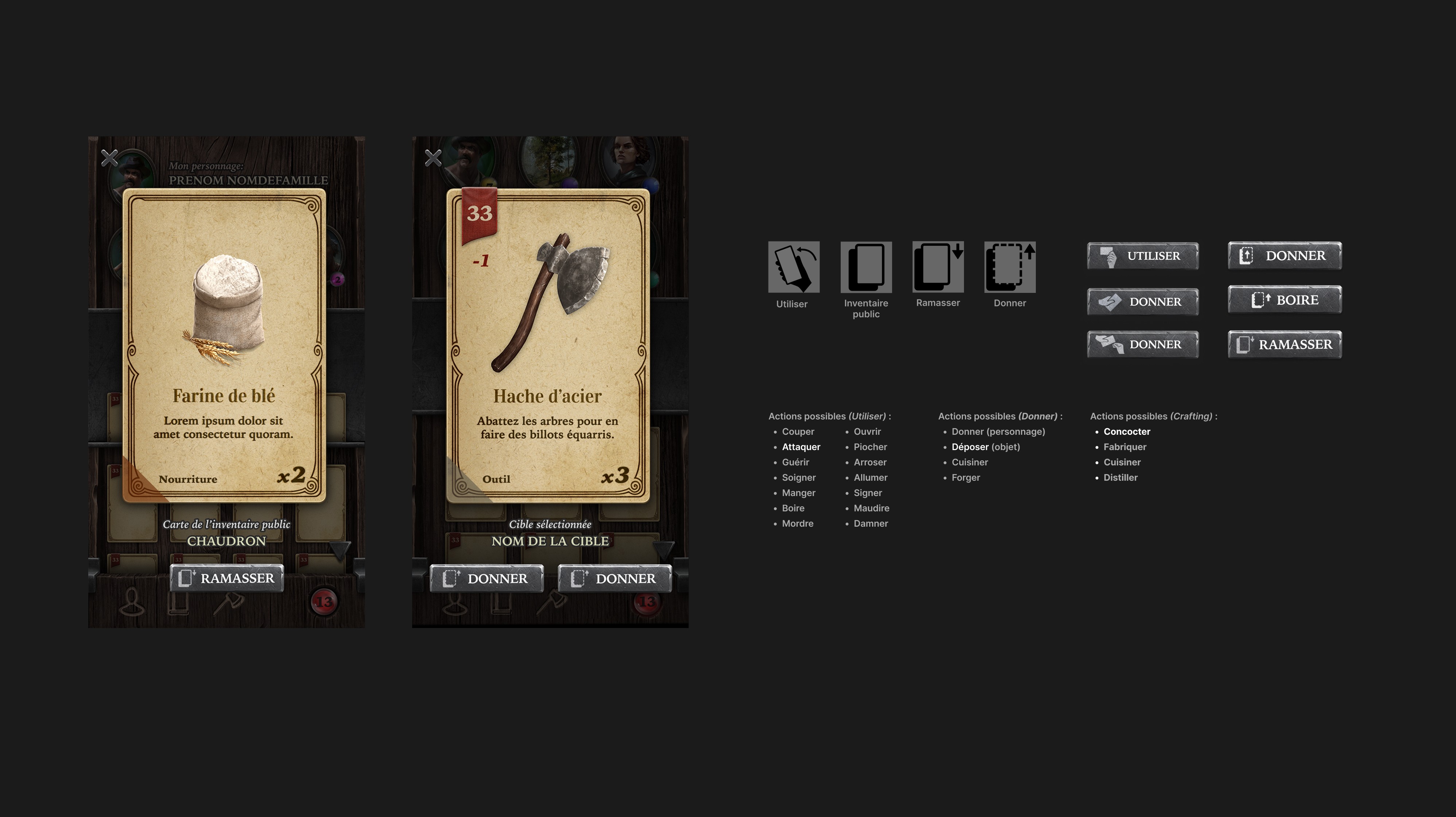
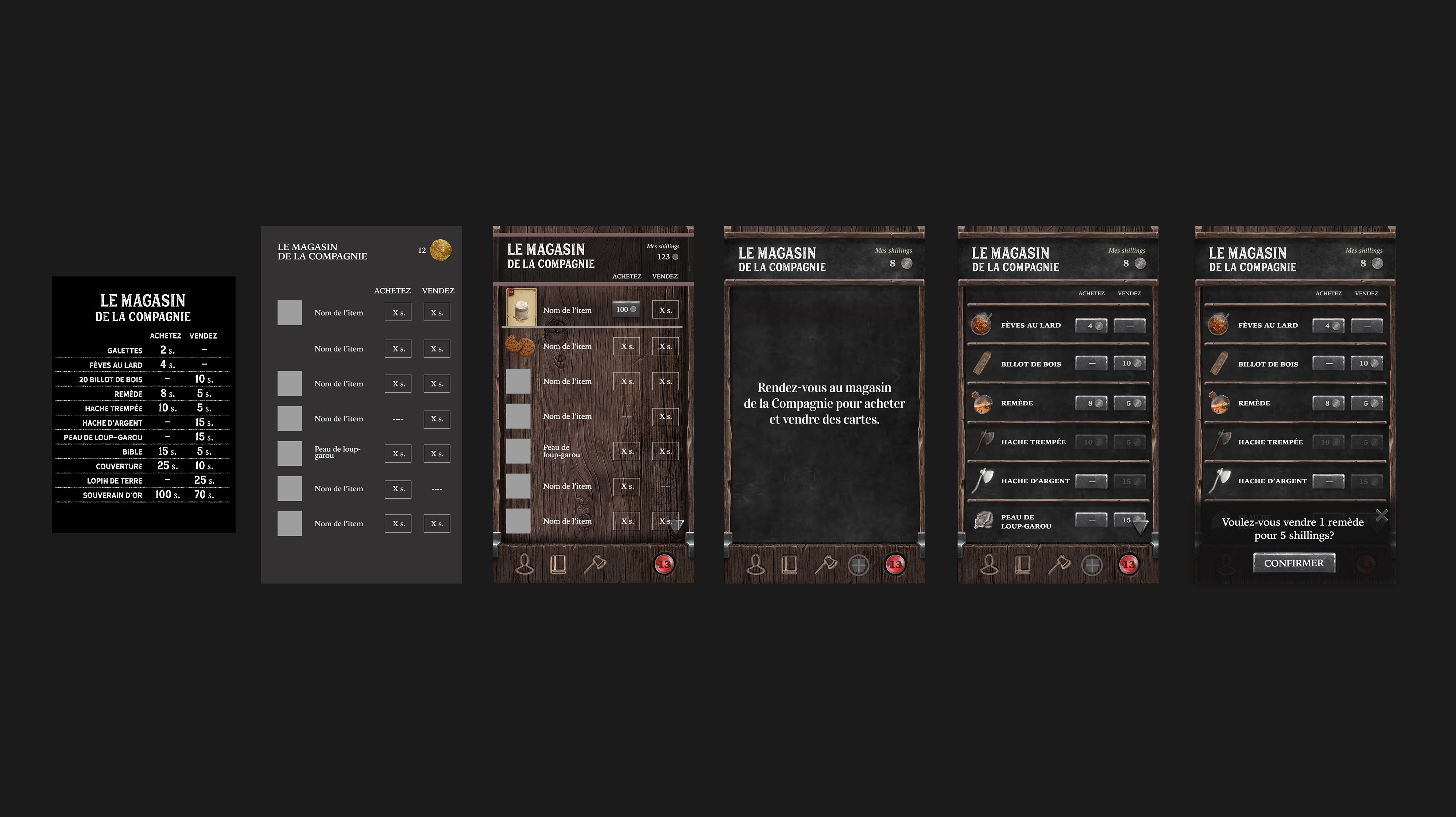
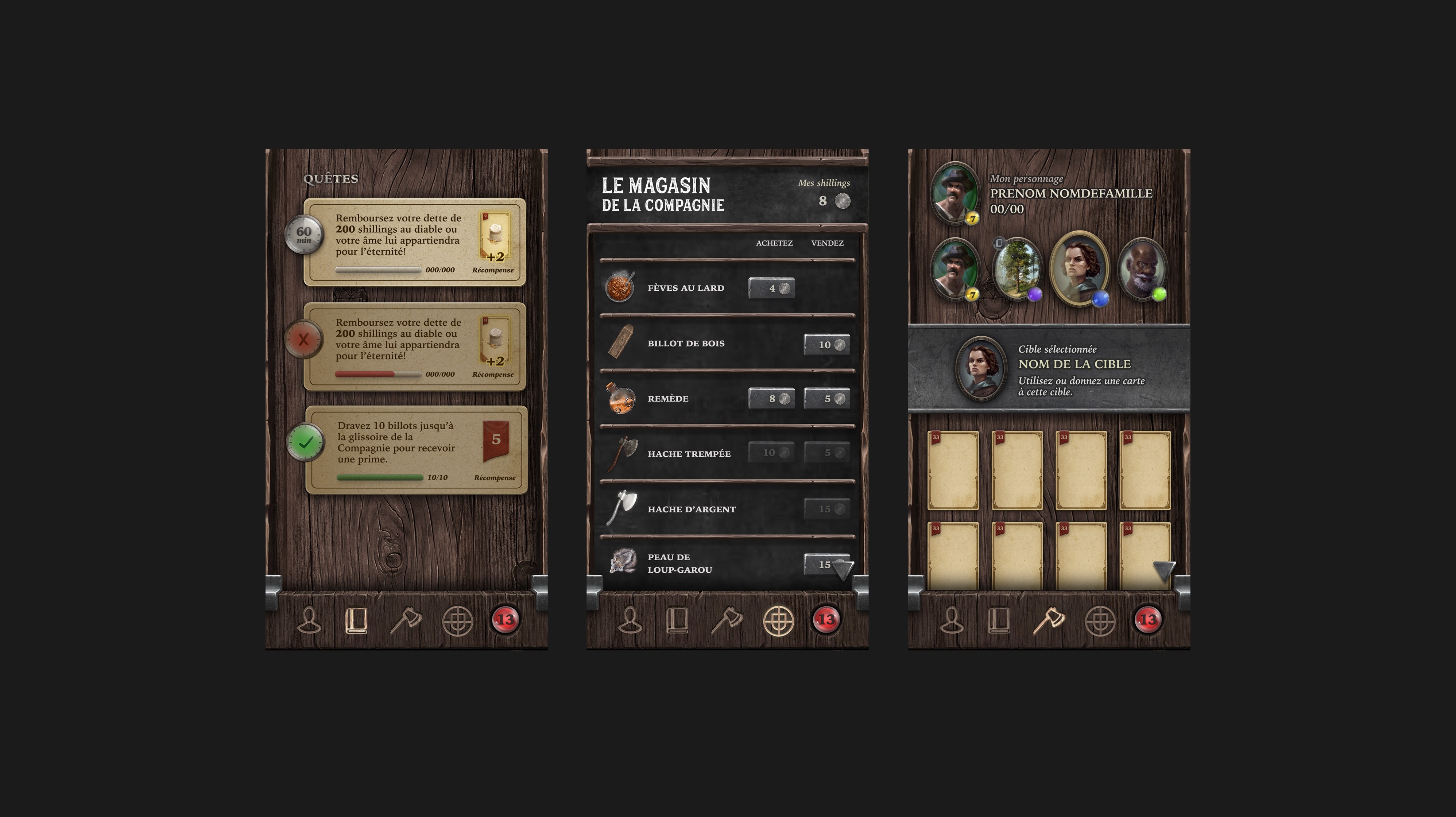
My work included the UX audit and a series of targeted improvements across key systems. I redesigned the target carousel to make nearby interactions more discoverable, refined the inventory to clarify how cards are managed and used, and reworked the company store to make buying and selling more intuitive. I also improved quest clarity through better structure and reward visibility, and streamlined notifications to surface essential information without breaking immersion. These refinements were delivered through updated flows, wireframes and interaction patterns that aligned with the established art direction and supported the pace of the theatrical experience.
Outcomes
The refined UX reduced confusion and helped players quickly understand how to engage with quests and AR interactions, supporting smoother collaboration and stronger immersion. Clarifying the interface allowed the narrative, projections and collective gameplay to take center stage across the theatrical experience.
Key Learnings
This project reinforced the importance of pairing clarity with narrative pacing in hybrid environments. It showed how subtle UX improvements can strengthen immersion in large scale experiences where digital and physical storytelling must work together seamlessly.
Photos and Video Credit
4 Elements